

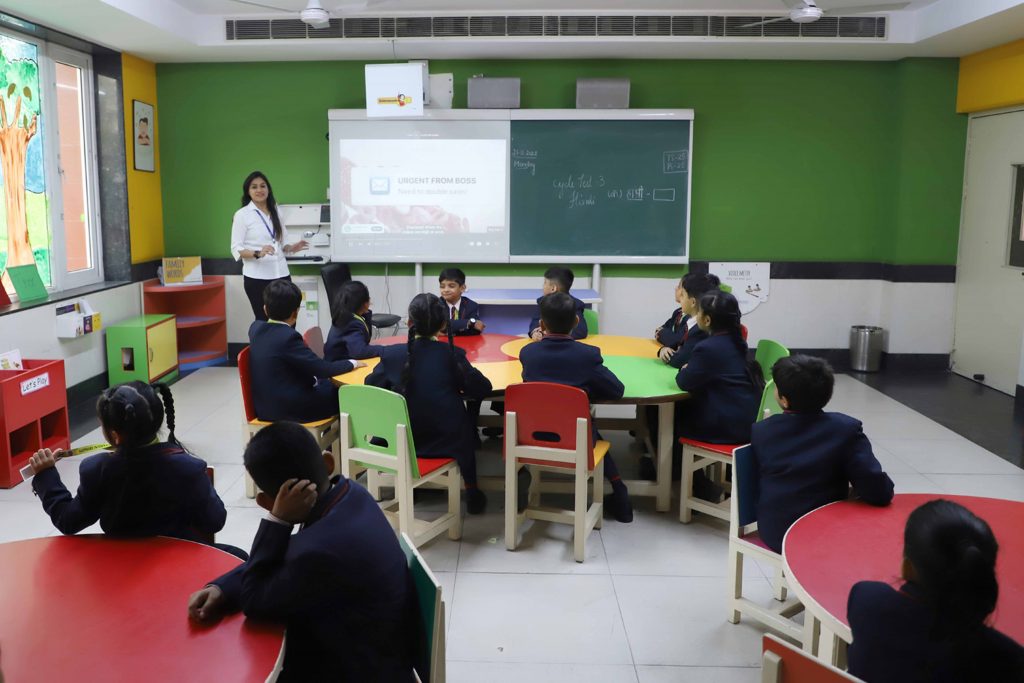
Education has long been regarded as the cornerstone of a progressive society. It is the primary tool through which individuals acquire the knowledge, skills, and values necessary to navigate the complexities of the modern world. From primary schools to higher learning institutions, the impact of education stretches far beyond the classroom, influencing social, economic, and cultural development. This article delves into the importance of education and its role in fostering individual growth, societal advancement, and global progress.
1. The Foundation of Individual Empowerment
At its core, education empowers individuals to become active participants in society. It provides the foundation for critical thinking, problem-solving, and effective communication—skills that are essential for personal and professional success. Whether it is learning to read and write in early childhood or gaining specialized knowledge in higher education, each educational stage equips individuals with the tools needed to make informed decisions and contribute meaningfully to their communities.
One of the most significant benefits of education is the opportunity it provides for personal development. It exposes individuals to new ideas, cultures, and perspectives, fostering a broader understanding of the world. This exposure is crucial in developing empathy and open-mindedness, essential qualities for thriving in an interconnected global society.
Furthermore, education serves as a catalyst for social mobility. It opens doors to better employment opportunities and economic independence, particularly for individuals from disadvantaged backgrounds. Access to quality education can break the cycle of poverty, enabling individuals to improve their standard of living and that of their families.
2. Shaping Future Generations
The influence of education extends well beyond the individuals who receive it. As children are educated, they contribute to the shaping of future generations by passing on knowledge, values, and practices to their own offspring. Educated parents are more likely to value education for their children, creating a positive feedback loop that strengthens the fabric of society. When parents understand the importance of education, they are more inclined to provide a nurturing environment that encourages learning.
Moreover, education equips individuals with the skills necessary to teach, mentor, and guide the next generation. Educators themselves play a critical role in fostering an environment where young minds can develop into responsible, informed citizens. They inspire curiosity and creativity while instilling essential values such as integrity, responsibility, and respect for diversity.
The ripple effect of educating individuals is profound. As educated citizens participate in the workforce, they contribute to economic growth and social stability. They also become leaders, innovators, and advocates for positive change in their communities, reinforcing the significance of education as a powerful tool for progress.
3. Catalyst for Social and Cultural Development
Education plays an instrumental role in fostering social and cultural development. It encourages the exchange of ideas, values, and traditions, promoting cultural understanding and tolerance. Schools and universities serve as melting pots of diversity, where individuals from different backgrounds come together to learn and grow.
In an increasingly globalized world, it is crucial to understand and appreciate cultural differences. Education helps cultivate an appreciation for various cultures, traditions, and beliefs, which, in turn, promotes peaceful coexistence and collaboration. By fostering cultural awareness, education contributes to the reduction of prejudice, discrimination, and conflict.
In addition to cultural understanding, education is a driving force in advancing social justice. It provides individuals with the knowledge and tools to recognize societal inequities and work toward creating a more just and equitable world. Whether addressing issues such as gender equality, racial discrimination, or economic disparities, education is a key instrument in fostering a more inclusive society where everyone has the opportunity to thrive.
4. Economic Growth and Prosperity
A well-educated population is one of the greatest assets a nation can possess. Education directly influences a country’s economic success by equipping individuals with the skills and knowledge needed to compete in an increasingly complex global economy. Skilled workers are more likely to be productive and innovative, driving technological advancement and business development.
Furthermore, education serves as a powerful tool for reducing unemployment rates and improving job prospects. As individuals acquire specialized knowledge through vocational training or higher education, they are better prepared to meet the demands of the modern workforce. This, in turn, leads to greater job satisfaction, higher wages, and a more prosperous society overall.
A robust education system also fosters entrepreneurship by providing individuals with the skills needed to start and grow their own businesses. Entrepreneurs play a critical role in driving economic innovation, creating jobs, and generating wealth. By encouraging entrepreneurship through education, societies can build more resilient and dynamic economies capable of adapting to changing global markets.
5. Advancing Global Progress and Innovation
On a global scale, education is essential for addressing the complex challenges facing humanity. Issues such as climate change, public health, and technological advancements require individuals who are well-versed in scientific, social, and environmental matters. Education provides the knowledge and research capabilities necessary to tackle these challenges and create innovative solutions that benefit society as a whole.
In fields like medicine, engineering, and environmental science, education fosters the development of groundbreaking technologies and solutions that improve lives and protect the planet. From developing new vaccines to advancing renewable energy sources, educated individuals are at the forefront of global innovation.
Moreover, education promotes collaboration across borders, enabling countries to work together to address common challenges. By fostering a global mindset, education encourages individuals to think beyond national interests and focus on collective well-being. This spirit of international cooperation is essential for addressing issues such as climate change, poverty, and global health crises.
6. The Need for Inclusive Education Systems
One of the most pressing issues in education today is the need for inclusive and equitable education systems. Access to quality education should not be determined by socio-economic status, gender, ethnicity, or geographic location. Ensuring that all individuals have access to the same opportunities is essential for creating a fair and just society.
Inclusive education systems that accommodate individuals with disabilities, language barriers, or other unique needs are crucial for fostering diversity and equality. By providing tailored educational support, society ensures that all individuals, regardless of their background, can reach their full potential.
Moreover, policies that promote education for girls and women are essential for achieving gender equality. Educating women has a far-reaching impact, improving not only their lives but also the lives of their families and communities. Empowered women are more likely to participate in the workforce, contribute to economic development, and advocate for positive social change.
7. The Future of Education
As the world continues to evolve, so too must education. The future of education lies in adapting to technological advancements, shifting societal needs, and preparing individuals for the challenges of tomorrow. Online learning, hybrid classrooms, and digital tools are transforming the way education is delivered, making it more accessible and flexible than ever before.
In addition, educators must equip students with skills that go beyond traditional academic knowledge. Critical thinking, creativity, emotional intelligence, and adaptability are becoming essential for success in an ever-changing world. These skills enable individuals to navigate uncertainty, solve complex problems, and contribute to a rapidly evolving global society.
The future of education must prioritize lifelong learning, as the pace of technological change demands that individuals continually update their knowledge and skills. Whether through formal education, vocational training, or online courses, lifelong learning ensures that individuals can adapt to new roles and industries, maintaining their relevance in the workforce.
Conclusion
Education is the cornerstone of a prosperous and progressive society. It empowers individuals, fosters social and cultural understanding, drives economic growth, and advances global innovation. As the world continues to evolve, education must adapt to meet new challenges and provide individuals with the tools needed to thrive in an interconnected world. The future of education lies in its ability to provide inclusive, equitable opportunities for all, ensuring that every individual can reach their full potential and contribute to the betterment of society.
