

Across Asia, health practices have long embraced the connection between the body’s physical condition and its internal energy flow. In Singapore, many are discovering how yin yoga aligns with Traditional Chinese Medicine (TCM) principles, creating a modern yet deeply rooted practice that supports both physical and emotional wellbeing. While yin yoga has its roots in Taoist traditions, its integration with TCM concepts of meridians and chi (energy) offers practitioners a unique way to nurture balance in today’s fast-paced lifestyle.
The Foundations of Yin Yoga and TCM
Yin yoga focuses on stillness, long-held poses, and gentle stress on connective tissues. TCM, on the other hand, is a holistic healing system based on restoring harmony within the body’s energy pathways. Both share the idea that health depends on balance, whether it is the balance of yin and yang energies, or the balance of body and mind.
When combined, yin yoga becomes more than a physical practice. It becomes a tool to stimulate meridian lines, clear energy blockages, and enhance organ health. This makes it a valuable complement for people in Singapore seeking holistic wellness approaches.
Understanding Meridians and Energy Flow
In TCM, meridians are invisible channels through which chi flows. Each meridian is linked to specific organs, emotions, and physical functions. When energy in these channels is blocked, discomfort or illness can occur. Yin yoga poses are designed to target areas of the body where these meridians run, helping to restore smooth energy flow.
For example:
-
Kidney Meridian: Associated with fear and vitality. Poses like Butterfly stimulate this line, supporting energy and emotional grounding.
-
Liver Meridian: Linked with anger and decision-making. Shoelace Pose targets the inner thighs, where this meridian runs, encouraging release.
-
Heart Meridian: Connected with joy and emotional openness. Supported Fish Pose helps open the chest, stimulating this pathway.
-
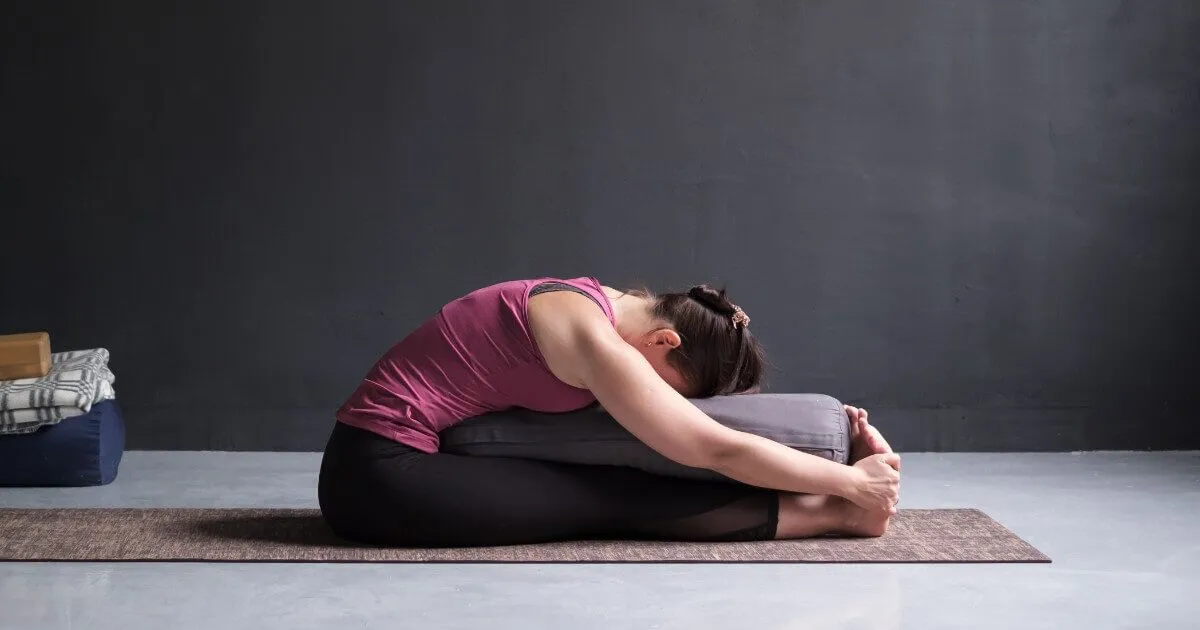
Stomach and Spleen Meridians: Related to nourishment and worry. Forward folds, such as Caterpillar, activate these channels.
Through these poses, practitioners influence not only muscles and joints but also the deeper energetic systems described in TCM.
Yin Yoga as a Practice of Balance
The essence of yin yoga is to balance activity with stillness. In TCM, balance between yin (cool, calm, internal) and yang (warm, active, external) is the foundation of good health. Athletes, office workers, and busy parents in Singapore often find themselves dominated by yang energy due to their hectic routines. Yin yoga restores harmony by inviting stillness, inward reflection, and a slower pace.
The Emotional Connection in TCM and Yin Yoga
One of the unique aspects of combining yin yoga with TCM is the recognition that emotions are stored in the body. For example, stress may tighten the shoulders, fear may affect the kidneys, and anger may create tension in the liver. Holding yin yoga poses that stimulate these meridians allows emotional release alongside physical benefits. Practitioners often find that after a session, they feel emotionally lighter, more open, and mentally calmer.
How Yin Yoga Stimulates Organ Health
Each meridian line corresponds not only to an emotion but also to an organ system. Yin yoga therefore supports internal health in practical ways:
-
Kidneys: Poses that stimulate the kidney meridian may boost energy and improve resilience.
-
Liver: Stretches targeting the liver meridian may aid detoxification and improve flexibility.
-
Heart: Opening poses encourage circulation and emotional wellbeing.
-
Stomach and Spleen: Forward folds may aid digestion and reduce bloating.
This integration of TCM principles makes yin yoga a practice that nourishes internal systems, not just external flexibility.
Breathwork and Chi Cultivation
Breathing plays a central role in both yin yoga and TCM. In yin yoga, slow breathing helps relax the body into long-held poses. In TCM, breath is linked with chi, the life force. Conscious breathing while in yin poses amplifies the benefits by guiding energy through the meridians. Athletes and professionals often find that this mindful breathing practice reduces anxiety and enhances focus, bringing benefits far beyond the mat.
Yin Yoga in Modern Singapore
In a multicultural city like Singapore, wellness practices that blend traditional wisdom with modern lifestyles are becoming increasingly valued. Yin yoga provides a structured yet adaptable way for people to incorporate TCM-inspired healing into their routines. It bridges the gap between Eastern philosophy and modern wellness trends, making it accessible to both beginners and experienced practitioners.
Studios such as Yoga Edition offer supportive environments where people can explore this connection deeply, learning how energy flow and physical stillness complement each other.
Practical Tips for Practising Yin Yoga with TCM Awareness
To maximise the benefits of yin yoga from a TCM perspective, consider these approaches:
-
Choose poses that target your current needs: For example, if you feel emotionally tense, focus on hip openers to release the liver meridian.
-
Time your practice with daily rhythms: In TCM, each organ has peak energy times. Practising during these hours may enhance results.
-
Pay attention to emotional responses: Allow yourself to release emotions that arise, as they indicate energetic shifts.
-
Use props for comfort: The goal is not strain but sustained relaxation to allow meridian stimulation.
Long-Term Benefits of Yin Yoga and TCM Integration
Over time, combining yin yoga with TCM principles builds resilience, improves emotional regulation, and enhances physical health. Practitioners often report fewer stress-related ailments, better digestion, more restful sleep, and a deeper connection to their inner calm. This makes it an effective practice not only for managing daily stress but also for cultivating long-term wellbeing.
Frequently Asked Questions
Do I need to understand TCM fully to benefit from yin yoga?
No. While knowledge of TCM can deepen your appreciation, yin yoga is beneficial even without detailed understanding.
Is yin yoga safe for people with health conditions?
Yes, but it is best to consult a healthcare professional if you have specific concerns. Yin yoga is gentle, but adaptations may be needed for certain conditions.
Can yin yoga really influence internal organs?
While it does not directly affect organs like medical treatments, stimulating meridians through poses can support the body’s natural processes and energy balance.
How long should I hold poses for maximum TCM benefits?
Typically, 3 to 5 minutes per pose is ideal. This allows enough time to affect connective tissue and meridian lines.
Can I combine yin yoga with other forms of exercise?
Absolutely. Yin yoga is an excellent complement to dynamic or high-intensity workouts, providing the balance of stillness and recovery.
