

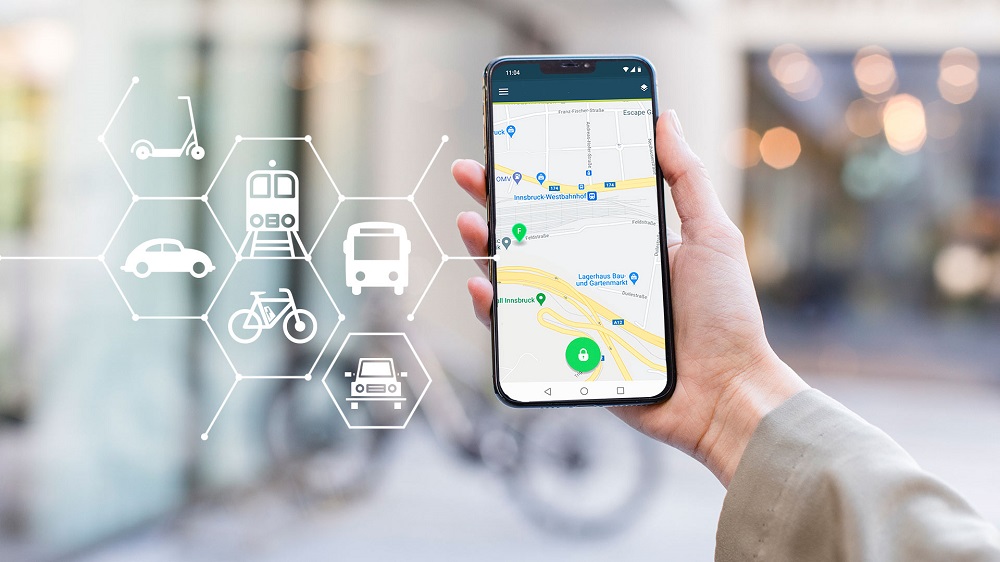
Urban transportation is undergoing a major transformation as cities confront congestion, environmental concerns, population growth, and changing commuter expectations. Mobility-as-a-Service, commonly known as MaaS, is emerging as a powerful solution that integrates multiple transportation options into a unified digital ecosystem. Instead of relying on privately owned vehicles for most trips, MaaS allows users to plan, book, and pay for different modes of transport through a single platform.
This shift represents more than a technological improvement. It signals a fundamental change in how people interact with urban mobility systems. MaaS platforms connect public transit, shared mobility services, ride hailing networks, micro mobility vehicles, and sometimes even long distance travel into seamless transportation experiences.
Understanding how MaaS is shaping the future of urban transport helps explain how cities are evolving toward more efficient, sustainable, and user centered mobility systems.
Understanding Mobility-as-a-Service
Mobility-as-a-Service refers to a digital transportation model that integrates various travel services into one accessible platform. Users can compare routes, reserve transport options, and complete payments through a single mobile application rather than managing multiple service providers independently.
A typical MaaS platform may combine:
- public transit systems
- ride sharing services
- bike sharing programs
- scooter rentals
- car sharing fleets
- taxi networks
This integrated approach simplifies travel planning while encouraging flexible transportation choices.
MaaS platforms help shift mobility behavior from ownership based transportation toward service based access.
Why Urban Transport Systems Need Transformation
Rapid urbanization is placing increasing pressure on existing transportation infrastructure. Traditional mobility models centered on private vehicle ownership often contribute to congestion, pollution, and inefficient land use.
Cities face challenges such as:
- increasing commuter populations
- limited road expansion capacity
- rising environmental concerns
- parking space shortages
- growing demand for flexible travel options
MaaS provides a framework for addressing these challenges by improving coordination between transportation services.
Integrated mobility systems support more efficient movement across urban environments.
Role of Digital Platforms in MaaS Ecosystems
Digital platforms serve as the backbone of MaaS systems. These platforms connect users with multiple transportation providers through unified interfaces that support planning, booking, and payment functions.
Key digital platform capabilities include:
- real time route optimization
- multimodal trip planning
- integrated fare management
- service availability tracking
- personalized travel recommendations
By centralizing these functions, MaaS platforms reduce friction in urban travel decision making.
Digital integration encourages users to consider alternatives to private car ownership.
Integration of Public Transit With Shared Mobility Services
Public transit systems remain essential components of urban mobility networks. MaaS platforms strengthen public transportation by connecting it with complementary services such as bike sharing and ride hailing.
Integration benefits include:
- improved first mile and last mile connectivity
- increased transit accessibility
- reduced dependency on private vehicles
- enhanced service convenience
- optimized route planning efficiency
When shared mobility services complement transit systems, cities can improve overall transportation performance.
Public transit becomes more competitive compared to private vehicle travel.
Supporting Environmental Sustainability Through MaaS
Transportation contributes significantly to urban emissions. MaaS platforms support environmental sustainability by encouraging efficient travel choices and reducing reliance on single occupancy vehicles.
Environmental benefits include:
- lower traffic congestion levels
- reduced fuel consumption
- increased use of electric mobility services
- optimized route planning efficiency
- improved utilization of shared transport resources
Cities that implement MaaS strategies often experience measurable improvements in transportation related sustainability indicators.
Integrated mobility systems support long term environmental goals.
Role of Micro Mobility in MaaS Networks
Micro mobility services such as shared bicycles and electric scooters are becoming important components of MaaS ecosystems. These services provide flexible short distance travel options that complement larger transit systems.
Micro mobility supports:
- improved neighborhood connectivity
- reduced congestion in dense urban areas
- increased accessibility for short trips
- flexible multimodal travel combinations
- reduced parking infrastructure demand
By integrating micro mobility into MaaS platforms, cities can improve coverage across transportation networks.
Micro mobility helps bridge gaps between transit stops and final destinations.
Enhancing Accessibility Through Inclusive Mobility Services
Urban transport systems must serve diverse populations with varying mobility needs. MaaS platforms support accessibility by offering multiple transportation options tailored to different users.
Accessibility improvements include:
- wheelchair accessible vehicle availability
- route planning for reduced walking distance
- service information for visually impaired users
- flexible scheduling support
- real time accessibility updates
Inclusive mobility strengthens equitable access to employment, education, and healthcare opportunities.
MaaS platforms help ensure transportation systems serve broader community needs.
Data Driven Decision Making in Urban Mobility Planning
MaaS platforms generate valuable data about travel patterns, service demand, and infrastructure usage. City planners can use this information to improve transportation strategies and allocate resources more effectively.
Data insights support:
- infrastructure investment planning
- congestion management strategies
- transit route optimization
- service scheduling improvements
- environmental impact monitoring
Data driven planning strengthens long term mobility system performance.
Cities benefit from more accurate understanding of commuter behavior.
Role of Subscription Based Transport Models
Some MaaS platforms offer subscription packages that provide access to multiple transportation services through a single monthly payment. These packages encourage users to adopt multimodal travel habits.
Subscription based mobility models support:
- predictable transportation expenses
- simplified payment experiences
- flexible service combinations
- reduced dependence on car ownership
- improved service loyalty
Subscription options help position mobility as a service rather than a personal asset.
This shift supports sustainable transportation behavior changes.
Integration of Electric Vehicles Into MaaS Platforms
Electric vehicles are becoming increasingly important within MaaS ecosystems. Many shared mobility services are transitioning toward electric fleets to reduce environmental impact.
Electric vehicle integration supports:
- reduced urban emissions
- quieter transportation systems
- improved air quality
- compatibility with renewable energy infrastructure
- alignment with climate policy objectives
Electrification strengthens the sustainability benefits of integrated mobility services.
Cities adopting electric MaaS fleets move closer to long term environmental targets.
Challenges Facing MaaS Implementation
Despite its potential benefits, MaaS implementation involves several technical and organizational challenges. Successful integration requires collaboration between public agencies, private service providers, and technology platforms.
Common challenges include:
- data sharing coordination between stakeholders
- regulatory alignment across jurisdictions
- infrastructure investment requirements
- interoperability between transport systems
- user adoption barriers
Addressing these challenges is essential for achieving full MaaS potential.
Strong governance frameworks support effective mobility integration strategies.
Role of Smart Cities in Advancing MaaS Adoption
Smart city initiatives often prioritize digital infrastructure that supports connected mobility ecosystems. MaaS platforms benefit from smart city technologies that enable real time monitoring and system coordination.
Smart city support includes:
- connected traffic management systems
- digital payment infrastructure
- sensor enabled transport monitoring
- integrated urban data platforms
- coordinated mobility planning frameworks
Smart city strategies accelerate MaaS adoption by strengthening technological foundations.
Integrated infrastructure supports seamless travel experiences across urban environments.
Future Trends Shaping MaaS Development
MaaS continues evolving as technology capabilities improve and transportation expectations change. Emerging innovations are expected to expand integration across mobility systems.
Future MaaS developments may include:
- autonomous vehicle integration within shared fleets
- expanded regional mobility coordination
- improved predictive route planning technologies
- deeper integration with urban planning systems
- enhanced personalization through artificial intelligence
These innovations will further strengthen the role of MaaS in shaping future transportation networks.
Integrated mobility ecosystems will continue redefining how people navigate cities.
FAQ Section
How is Mobility-as-a-Service different from traditional ride sharing apps
Ride sharing apps typically provide access to one service type, while MaaS platforms integrate multiple transportation options into a single planning and payment system.
Can MaaS reduce traffic congestion in large cities
Yes. By encouraging shared transportation and multimodal travel, MaaS can reduce reliance on private vehicles and improve overall traffic flow efficiency.
Do MaaS platforms require government involvement to operate successfully
Public sector coordination often plays an important role in integrating transit systems and establishing regulatory frameworks that support MaaS platforms.
Is Mobility-as-a-Service available only in large metropolitan areas
While adoption began in major cities, MaaS concepts are expanding into mid sized urban regions and suburban transportation networks.
How do MaaS platforms handle payment across multiple transport providers
Most platforms use integrated payment systems that allow users to complete transactions through one account regardless of service provider.
Can MaaS improve transportation affordability for commuters
Subscription models and shared mobility options can reduce travel costs compared to maintaining private vehicles in some urban environments.
Will autonomous vehicles become part of MaaS systems in the future
Yes. Autonomous shared vehicle fleets are expected to integrate with MaaS platforms as technology and regulatory frameworks continue evolving.
